Hey there! As a supplier of Quartz Glass Frosting Powder, I often get asked about its thermal stability. So, I thought I'd take a deep dive into this topic and share what I've learned.
First off, let's talk about what thermal stability actually means. In simple terms, thermal stability refers to a material's ability to resist changes in its properties when exposed to different temperatures. For Quartz Glass Frosting Powder, this is super important because it's often used in various glass - related applications where temperature variations can occur.
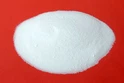
One of the key factors contributing to the thermal stability of Quartz Glass Frosting Powder is its chemical composition. Quartz, which is the main component of this powder, is a crystalline form of silicon dioxide (SiO₂). Silicon dioxide has a very high melting point, around 1713°C. This high melting point gives Quartz Glass Frosting Powder a good foundation for thermal stability. When the powder is applied to glass and goes through different temperature conditions, the silicon - oxygen bonds in the quartz structure hold up well, preventing the powder from breaking down easily.
Another aspect is the physical structure of the powder. The particles of Quartz Glass Frosting Powder are usually very fine and have a uniform size distribution. This uniformity helps in maintaining consistent thermal properties throughout the powder. When heat is applied, the fine particles can conduct heat evenly, reducing the chances of local overheating that could lead to damage or changes in the powder's performance.
Now, let's look at some real - world applications where the thermal stability of Quartz Glass Frosting Powder comes into play. For example, in Glass Decoration, AG Glass, Sand Effect, the glass is often subjected to different environmental temperatures. Whether it's used in indoor settings where the temperature is regulated or outdoors where it can face extreme heat or cold, the frosting powder needs to stay intact and maintain its decorative effect. Thanks to its thermal stability, the powder can withstand these temperature fluctuations without losing its ability to create that beautiful sand - like or satin - like finish on the glass.
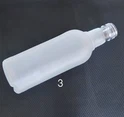
In the case of Satin Effect On Medicinal Small Bottles, thermal stability is crucial. These bottles may be stored in different temperature conditions during transportation and storage. The frosting powder on the bottles needs to remain stable so that it doesn't affect the quality of the medicine inside or the appearance of the bottle. If the powder were to degrade due to temperature changes, it could potentially contaminate the medicine or make the bottle look unappealing.
Similarly, Flowers Glass Vase Satin Effect Water Container is another application where thermal stability matters. These vases are often filled with water, and the temperature of the water can vary depending on the environment. The frosting powder on the vase needs to resist any changes caused by the water temperature, ensuring that the satin effect remains intact and the vase continues to look elegant.


To test the thermal stability of Quartz Glass Frosting Powder, we usually conduct a series of experiments. One common test is the thermal cycling test. In this test, the powder is exposed to a series of temperature cycles, going from a low temperature to a high temperature and back again. We then observe any changes in the powder's appearance, such as cracking or discoloration, and also test its performance on glass samples. Another test is the high - temperature exposure test, where the powder is kept at a high temperature for an extended period. This helps us determine how long the powder can withstand high - heat conditions without significant degradation.
Based on our tests and experience, Quartz Glass Frosting Powder shows excellent thermal stability in a wide range of temperatures. It can handle temperatures from - 20°C to 200°C without any major issues. In fact, in most normal applications, the powder performs flawlessly within this temperature range. However, if the temperature goes beyond this range, especially approaching the melting point of quartz, there may be some changes in the powder's properties. But for the majority of glass - frosting applications, the normal temperature range is well within the powder's thermal stability limits.
When it comes to the benefits of using a thermally stable Quartz Glass Frosting Powder, there are quite a few. Firstly, it ensures the long - term durability of the glass - frosting effect. You don't have to worry about the powder wearing off or changing its appearance over time due to temperature changes. This is great for both decorative and functional glass products. Secondly, it gives you peace of mind knowing that the powder can perform well in different environments. Whether you're using it in a hot climate or a cold one, the quality of the frosting remains consistent.
If you're in the market for high - quality Quartz Glass Frosting Powder with excellent thermal stability, you've come to the right place. As a supplier, we're committed to providing you with a product that meets your needs. We can offer different grades of the powder depending on your specific application requirements. Whether you need it for small - scale handicrafts or large - scale industrial glass production, we've got you covered.
So, if you're interested in learning more about our Quartz Glass Frosting Powder or would like to discuss a potential purchase, don't hesitate to get in touch. We're always happy to have a chat and help you find the best solution for your glass - frosting needs.
References
- Handbook of Glass Science and Technology
- Journal of Materials Science: Glass and Ceramics