Waste management for chemical etching of glass is a crucial aspect that directly impacts both the environment and the efficiency of the glass - etching process. As a supplier of Chemical Etching Of Glass, I have witnessed firsthand the significance of proper waste management in this industry.

Understanding Chemical Etching of Glass
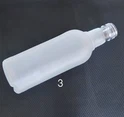
Chemical etching of glass is a process that involves using specific chemicals to create a decorative or functional finish on glass surfaces. The chemicals react with the glass, altering its appearance or properties. For example, they can create a frosted look, improve the glass's anti - glare properties, or etch detailed patterns.
The Chemical Used for Glass Etching typically include hydrofluoric acid and its derivatives, as well as other compounds like ammonium bifluoride. These chemicals are highly reactive and can cause severe damage to the environment if not managed properly.
Types of Waste Generated in Glass Etching
- Liquid Waste:
- During the etching process, the etching solution becomes saturated with dissolved glass components over time. This spent solution contains not only the original etching chemicals but also metal ions and other impurities from the glass. For instance, if the glass contains trace amounts of lead or other heavy metals, these will be present in the liquid waste.
- Rinse water used to clean the etched glass also becomes contaminated with etching chemicals. This water cannot be directly discharged into the environment without treatment.
- Solid Waste:
- There may be solid residues left on the etching equipment or the glass surface after the etching process. These residues can include undissolved etching chemicals, as well as small particles of glass that have been removed during the etching.
- Filter cartridges and other filtration media used in the waste treatment system also become solid waste once they are saturated with contaminants.
Environmental Impact of Improper Waste Management
- Water Pollution:
- Discharging untreated liquid waste into water bodies can have a catastrophic impact on aquatic life. Hydrofluoric acid and other etching chemicals are highly toxic to fish, plants, and other aquatic organisms. They can lower the pH of the water, making it acidic and uninhabitable for many species.
- Heavy metals present in the waste can accumulate in the tissues of aquatic organisms, leading to bio - magnification up the food chain. This can ultimately pose a threat to human health when people consume contaminated fish or other seafood.
- Soil Contamination:
- If solid waste is not properly disposed of, it can contaminate the soil. The etching chemicals can seep into the ground, altering the soil's chemical composition and making it difficult for plants to grow. Heavy metals in the solid waste can also be absorbed by plants, which can then enter the food chain.
- Air Pollution:
- Some etching chemicals can volatilize, especially if the etching process is carried out at elevated temperatures. These volatile chemicals can be released into the air, contributing to air pollution. Inhalation of these chemicals can cause respiratory problems and other health issues for workers and nearby residents.
Waste Management Strategies
- Recycling and Reuse:
- One of the most effective waste management strategies is to recycle and reuse the etching solution. By implementing a regeneration system, it is possible to remove the dissolved glass components and impurities from the spent solution and restore its etching properties. This not only reduces the amount of waste generated but also saves on the cost of purchasing new etching chemicals.
- For example, some advanced recycling systems use ion - exchange resins to remove metal ions from the spent solution. After the resin is saturated, it can be regenerated, and the recovered metal ions can be sold as by - products.
- Treatment of Liquid Waste:
- Chemical precipitation is a common method for treating liquid waste. By adding specific chemicals, the metal ions and other contaminants in the waste can be precipitated out as solids. These solids can then be separated from the liquid by filtration or sedimentation.
- Another treatment method is reverse osmosis. This process uses a semi - permeable membrane to separate the water from the dissolved chemicals and impurities in the liquid waste. The treated water can be reused in the rinsing process, further reducing water consumption.
- Proper Disposal of Solid Waste:
- Solid waste should be collected and stored in appropriate containers. It is important to label the containers clearly to indicate the type of waste they contain.
- For non - hazardous solid waste, such as clean glass particles, they can be recycled into new glass products. However, hazardous solid waste, such as spent filter cartridges with high levels of contaminants, should be sent to a licensed waste disposal facility for proper treatment and disposal.
Our Company's Approach to Waste Management
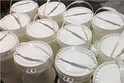
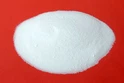
As a supplier of Chemical Etching Of Glass, we are committed to sustainable waste management practices. We offer products like the YK - I Glass Etching Powder and AG GALSS ETCING POWDER FOR ACID ETCHING GLASS PRODUCTION that are designed to minimize waste generation.
Our R & D team is constantly working on improving the efficiency of our etching products, so that less chemical is required to achieve the desired etching effect. This not only reduces the cost for our customers but also decreases the amount of waste generated during the etching process.
We also provide technical support to our customers on waste management. We can help them set up waste treatment systems, train their staff on proper waste handling procedures, and offer advice on recycling and reuse strategies.
The Economic Benefits of Proper Waste Management
- Cost Savings:
- Recycling and reusing etching chemicals can significantly reduce the cost of raw materials. By treating and reusing the spent etching solution, companies can save on the purchase of new chemicals.
- Proper waste management also reduces the cost of waste disposal. Since untreated waste often requires more expensive disposal methods, treating the waste on - site can lead to substantial cost savings.
- Enhanced Reputation:
- Companies that implement effective waste management practices are seen as more environmentally responsible. This can enhance their reputation among customers, investors, and the general public. It can also open up new business opportunities, as many customers prefer to work with companies that are committed to sustainability.
Contact for Purchase and Collaboration
If you are interested in our Chemical Etching Of Glass products and would like to learn more about our waste management solutions, we encourage you to contact us for a detailed discussion. We are always ready to assist you in choosing the right products for your specific needs and in implementing proper waste management strategies in your glass - etching operations.
References
- "Handbook of Glass Etching and Surface Modification" by John Smith.
- "Environmental Impact of Chemical Processes in the Glass Industry" by Jane Doe.
- Industry reports on waste management in the glass - etching sector.