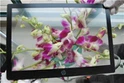
As a long - standing supplier of acid etching for glass, I often receive various inquiries from customers. One question that frequently pops up is: "Can acid etching for glass be used on glass mirrors?" In this blog, I'll delve deep into this topic, exploring the feasibility, process, and implications of using acid etching on glass mirrors.
Understanding Acid Etching for Glass
Acid etching is a well - established technique in the glass industry. It involves using acidic substances to create a permanent, decorative, or functional finish on glass surfaces. The process typically starts with applying a resist material to the areas of the glass that you don't want to etch. The resist can be a stencil, tape, or a special resist paint. Then, an acidic solution, usually hydrofluoric acid or a combination of acids, is applied to the exposed glass. The acid reacts with the silica in the glass, gradually wearing away the surface and creating a frosted or textured appearance.


The versatility of acid etching makes it a popular choice for a wide range of applications. It can be used to create intricate patterns, logos, or simply to give glass a more opaque, private look. For more information on the materials used in frosted glass decoration, you can visit Material For Frosted Glass Decoration.
The Structure of Glass Mirrors
Before we can determine whether acid etching can be used on glass mirrors, it's essential to understand how glass mirrors are constructed. A typical glass mirror consists of a sheet of glass with a thin layer of reflective material, usually aluminum or silver, applied to the back surface. This reflective layer is then protected by one or more coatings to prevent oxidation and damage.
The glass component of the mirror is similar to regular glass, but the presence of the reflective layer and protective coatings adds a new dimension to the etching process. The goal is to etch the front glass surface without damaging the reflective layer or the protective coatings on the back.
Feasibility of Acid Etching on Glass Mirrors
The short answer is yes, acid etching can be used on glass mirrors, but it requires careful consideration and a modified approach compared to etching regular glass.
The main challenge lies in protecting the reflective layer and the protective coatings on the back of the mirror. If the acid seeps through the glass or if the mirror is immersed in the acid for too long, it can corrode the reflective layer, causing it to lose its shine and functionality.
To overcome this challenge, proper masking and protection techniques need to be employed. The back of the mirror should be thoroughly covered with a resistant material, such as plastic sheeting or a thick layer of tape, to prevent any acid from reaching the reflective layer. Additionally, the etching process should be closely monitored to ensure that the acid does not penetrate the glass and cause damage.
The Acid Etching Process for Glass Mirrors
The acid etching process for glass mirrors follows a similar general sequence as that for regular glass, but with some important differences:
1. Preparation
- Clean the mirror: Thoroughly clean the front surface of the mirror to remove any dirt, grease, or fingerprints. This ensures that the resist material adheres properly and that the acid can react evenly with the glass.
- Protect the back: As mentioned earlier, cover the back of the mirror with a suitable protective material. Make sure there are no gaps or openings where acid could seep through.
2. Applying the Resist
- Design and cut the stencil: Create a stencil with the desired pattern or design. You can use a vinyl cutter or simply cut the stencil by hand. Place the stencil firmly on the front surface of the mirror.
- Apply resist paint (optional): In some cases, you may choose to use a resist paint to create more detailed or complex designs. Apply the resist paint carefully to the areas you want to protect.
3. Etching
- Prepare the acid solution: Mix the appropriate acid solution according to the manufacturer's instructions. Hydrofluoric acid is a common choice for glass etching, but it is extremely dangerous and requires strict safety precautions.
- Apply the acid: Use a brush, sponge, or spray bottle to apply the acid to the exposed areas of the glass. Be careful not to let the acid drip onto the edges or the back of the mirror.
- Monitor the etching process: The etching time will depend on the type of acid used, the concentration of the solution, and the desired effect. Check the progress regularly to avoid over - etching.
4. Neutralization and Cleaning
- Neutralize the acid: Once the desired etching effect is achieved, carefully rinse the mirror with water to remove the acid. Then, soak the mirror in a neutralizing solution, such as a baking soda solution, to ensure that all traces of acid are removed.
- Remove the resist: Gently peel off the stencil or wash off the resist paint. Clean the mirror again to remove any remaining residue.
For more in - depth information on the chemical etching process, you can refer to Etching Glass with Chemicals and Etching Glass by Acid Chemical.
Benefits of Acid Etching on Glass Mirrors
- Aesthetic Appeal: Acid etching can transform a plain glass mirror into a unique and visually striking piece. You can create custom patterns, logos, or decorative elements that add a personal touch to the mirror.
- Privacy: Etching the glass can make the mirror more opaque, providing privacy while still maintaining a stylish look. This is particularly useful in bathrooms or other areas where privacy is desired.
- Durability: The etched pattern is permanent and resistant to scratches and wear, ensuring that the mirror retains its appearance for a long time.
Challenges and Considerations
- Safety: As mentioned earlier, working with acids, especially hydrofluoric acid, is extremely dangerous. It requires proper safety equipment, such as gloves, goggles, and a respirator, as well as a well - ventilated workspace.
- Skill and Experience: Achieving a high - quality etching result on a glass mirror requires skill and experience. It's important to practice on scrap glass first to master the technique before working on a valuable mirror.
- Cost: The materials and equipment required for acid etching can be relatively expensive, especially if you need to purchase high - quality acids and safety gear.
Conclusion
In conclusion, acid etching can indeed be used on glass mirrors, but it requires careful planning, proper protection, and a skilled hand. When done correctly, it can enhance the aesthetic appeal and functionality of the mirror. As a supplier of acid etching for glass, I have the expertise and the high - quality materials to help you achieve the best results. Whether you're a DIY enthusiast or a professional in the glass industry, I'm here to support you throughout the process.
If you're interested in purchasing acid etching materials or have any questions about the process, I encourage you to reach out to me for a detailed discussion. We can explore the possibilities together and find the best solutions for your specific needs.
References
- Various industry publications on glass etching techniques and safety guidelines.
- Manufacturer's instructions for acid etching materials.