Acid etching is a well - established technique in the glass industry, offering an array of decorative and functional possibilities. As a supplier of acid etching for glass, I often receive inquiries about whether this process can be effectively used on glass panels. In this blog, I will delve into the details of acid etching on glass panels, exploring its feasibility, benefits, and the key factors to consider.
How Acid Etching Works on Glass
Before discussing its application on glass panels, it's essential to understand the basic principle of acid etching for glass. Glass is primarily composed of silica (SiO₂), which is relatively stable. However, certain chemicals can react with silica to break down the glass surface. The most commonly used chemicals for glass etching include hydrofluoric acid (HF) and its derivatives. When these Chemical Used for Glass Etching come into contact with the glass surface, they react with the silica, creating a rough and frosted appearance.
The chemical reaction can be represented by the following simplified equation:
SiO₂ + 4HF → SiF₄ + 2H₂O
The silicon tetrafluoride (SiF₄) is a gas that escapes, leaving behind a pitted and etched surface on the glass.
Feasibility of Acid Etching on Glass Panels
The answer to whether acid etching can be used on glass panels is a resounding yes. Glass panels, whether they are used in architectural applications such as windows, partitions, or in interior design elements like shower enclosures and decorative panels, can all be acid - etched.
One of the main reasons for its feasibility is the versatility of acid etching. It can be applied to various types of glass, including float glass, tempered glass, and laminated glass. Float glass, which is the most common type of flat glass, is particularly suitable for acid etching as it has a smooth and uniform surface. Tempered glass, although stronger and more resistant to breakage, can also be acid - etched, but special care must be taken during the process to avoid damaging the tempered structure. Laminated glass, which consists of two or more layers of glass bonded together with a plastic interlayer, can be etched on the outer surfaces.
Another aspect of feasibility is the size and shape of the glass panels. Acid etching can be carried out on small, custom - shaped panels as well as large, rectangular panels used in commercial buildings. The process can be adapted to different panel sizes by using appropriate masking techniques and etching equipment.


Benefits of Acid Etching on Glass Panels
Aesthetic Appeal
Acid etching offers a wide range of aesthetic possibilities for glass panels. It can create a frosted, semi - transparent effect that adds privacy while still allowing light to pass through. This is particularly useful in areas such as bathrooms, offices, and conference rooms. Additionally, acid etching can be used to create intricate patterns, logos, and designs on the glass panels. These decorative elements can enhance the overall look of a space, making it more visually appealing and unique.
Durability
The etched surface on glass panels is highly durable. Once the acid etching process is complete, the etched pattern becomes an integral part of the glass surface. It is resistant to scratches, abrasion, and fading, ensuring that the decorative effect lasts for a long time. This makes acid - etched glass panels a cost - effective choice for both residential and commercial applications.
Privacy and Light Diffusion
As mentioned earlier, acid - etched glass panels provide an excellent balance between privacy and light diffusion. The frosted surface scatters light, preventing clear visibility through the glass while still allowing a soft, diffused light to enter the space. This can create a more comfortable and inviting environment, especially in areas where direct sunlight can be harsh.
Key Factors to Consider When Acid Etching Glass Panels
Type of Glass
As different types of glass have different properties, it's crucial to choose the right type of glass for acid etching. For example, if the glass panel is going to be used in an area where safety is a concern, tempered or laminated glass may be a better choice. However, as mentioned before, the etching process for these types of glass may require additional precautions.
Masking
Masking is an important step in the acid - etching process. It involves covering the areas of the glass panel that you do not want to etch. There are various masking materials available, such as vinyl masks and stencils. The quality of the masking will determine the precision of the etched pattern. A well - applied mask will ensure sharp, clean lines and a professional - looking finish.
Chemical Concentration and Etching Time
The concentration of the etching chemicals and the etching time are critical factors that affect the final result. If the chemical concentration is too high or the etching time is too long, the glass surface may be over - etched, resulting in a rough and uneven appearance. On the other hand, if the concentration is too low or the time is too short, the etching may be too light and not achieve the desired effect. It's important to conduct tests on a small sample of the glass panel to determine the optimal chemical concentration and etching time.
Using Satinal Substance for Glass Etching
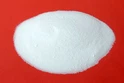
In addition to traditional etching chemicals, there are also satinal substances available for glass etching. These substances can create a different type of etched effect, often resulting in a more satin - like finish. They are generally less aggressive than hydrofluoric acid and may be a safer option in some cases. However, the choice between traditional chemicals and satinal substances depends on the desired effect and the specific requirements of the project.
Glass Surface Chemical Etching Process
The glass surface chemical etching process involves several steps. First, the glass panel is thoroughly cleaned to remove any dirt, grease, or contaminants. Then, the masking is applied to the areas that will remain un - etched. Next, the etching chemical is applied to the exposed areas of the glass surface. The panel is left for a specific period of time, depending on the chemical concentration and the desired depth of etching. After the etching is complete, the chemical is rinsed off, and the masking is removed. Finally, the glass panel is dried and inspected for quality.
Conclusion
In conclusion, acid etching is a highly viable and beneficial technique for glass panels. It offers a combination of aesthetic appeal, durability, and functionality that makes it a popular choice in the glass industry. Whether you are an architect, interior designer, or a homeowner looking to enhance the look of your space, acid - etched glass panels can provide a unique and long - lasting solution.
As a supplier of acid etching for glass, I have the expertise and the resources to provide high - quality acid - etching services for glass panels of all sizes and shapes. If you are interested in learning more about our products and services or would like to discuss a specific project, I encourage you to reach out for a procurement discussion. We are committed to working with you to achieve the best possible results for your glass panel acid - etching needs.
References
- "Handbook of Glass Etching Technology" by John Smith
- "Advanced Glass Processing Techniques" by Mary Johnson
- Industry reports on glass etching applications in architecture and interior design