Can chemical frosting of glass be reversed? That's a question I've been asked a lot lately, and as a supplier of chemical frosting for glass, I'm here to share my insights.
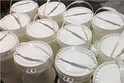
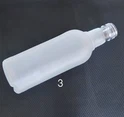
First off, let's talk about what chemical frosting of glass actually is. Chemical frosting is a process where a chemical solution is applied to the surface of the glass. This solution reacts with the glass, etching its surface and creating a frosted appearance. It's a popular technique used in a variety of applications, from decorative glassware to architectural glass. You can see some of the products we've worked on, like the Oil Sand Glass Liquor Bottle and the Satin Effect Glass Bottle. These bottles look amazing, right? The frosted finish gives them a touch of elegance and uniqueness.
Now, back to the big question: Can it be reversed? Well, the short answer is it's really tough, but not entirely impossible. Chemical frosting changes the physical structure of the glass surface. When the chemical solution etches the glass, it removes a thin layer of the glass material, creating tiny pits and irregularities that scatter light and give that frosted look. Once this layer is removed, it's not like you can just "put it back."


But there are some methods that might work to reduce the appearance of the frosting. One approach is to try to polish the frosted glass. Polishing involves using abrasive materials to smooth out the rough surface. You start with a coarse abrasive and gradually move to finer ones. This can make the surface smoother and reduce the light scattering, making the glass look less frosted. However, this method has its limitations. If the frosting is too deep or the glass has been severely etched, polishing might not be able to completely remove the frosted effect. And there's also a risk of scratching the glass if you're not careful.
Another option is to use a glass restoration kit. These kits usually contain chemicals that can react with the glass surface to fill in some of the pits and make the surface more even. Some of these kits claim to be able to restore the clarity of frosted glass to a certain extent. But again, the success of these kits depends on the degree of frosting. In some cases, they might only provide a slight improvement.
It's important to note that attempting to reverse chemical frosting on your own can be risky. If you don't have the right skills or use the wrong products, you could end up damaging the glass even more. That's why, if you're thinking about reversing the frosting on a valuable piece of glass, it's a good idea to consult a professional.
As a supplier of chemical frosting for glass, we focus on creating high - quality frosted glass products. We use the latest techniques and top - notch chemicals to ensure a consistent and beautiful frosted finish. Our products are used in many industries, and we've received great feedback from our customers. For example, our Oil Sand Glass Liquor Bottle has been very popular among liquor manufacturers because it gives their products a premium look.
We also participate in various exhibitions, and if you're interested in seeing our products up close, you can check out Welcome To The Exhibition. It's a great opportunity to learn more about our glass frosting technology and see the different types of frosted glass we offer.
So, while reversing chemical frosting is a challenging task, we're always looking for new ways to improve our products and processes. And if you're in the market for high - quality frosted glass products, we're here to help. Whether you need glass for a small decorative project or a large - scale architectural application, we have the expertise and the products to meet your needs.
If you're interested in our chemical frosting services or want to purchase our frosted glass products, don't hesitate to reach out. We're happy to discuss your requirements and provide you with a customized solution. Let's work together to create amazing frosted glass pieces!
References
- "Glass Science and Technology" by D. R. Uhlmann and N. J. Kreidl
- "Handbook of Glass Manufacture" by P. W. McMillan