Can I use etching glass materials on glass mirrors? This is a question I often get asked as a supplier of etching glass materials. In this blog post, I'll explore the feasibility of using our etching glass materials on glass mirrors, the process involved, and the benefits and considerations.
Understanding Glass Mirrors and Etching Glass Materials
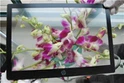
Glass mirrors are typically made by depositing a thin layer of metal, usually silver or aluminum, on the back surface of a glass substrate. This reflective layer is what gives the mirror its ability to reflect light. On the other hand, etching glass materials are substances designed to chemically or physically alter the surface of glass, creating a frosted, textured, or decorative effect.
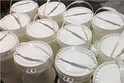
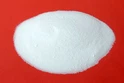
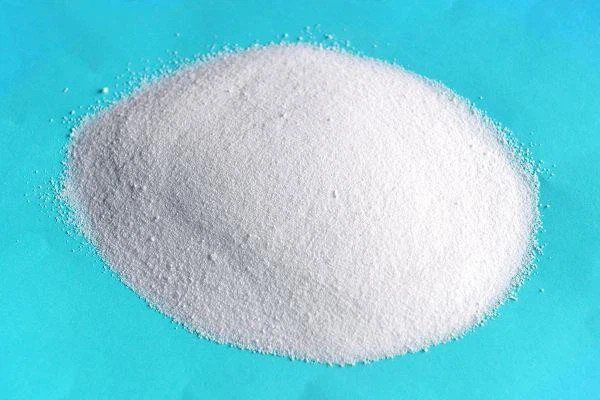
Our company offers a range of etching glass materials, including Ordinary Glass Etching Powder, which is a popular choice for creating a uniform frosted look on glass. We also have Glass Surface Chemical Etching products that can be used to create more intricate designs and patterns, and YK Glass Frosting Powder (water-based), which is an environmentally friendly option.
Feasibility of Using Etching Glass Materials on Glass Mirrors
The short answer is yes, you can use etching glass materials on glass mirrors. However, there are some important considerations to keep in mind. The most crucial factor is the protection of the reflective layer on the back of the mirror. If the etching process is not carefully controlled, it can damage the reflective layer, causing the mirror to lose its reflectivity.
To avoid this, it's essential to ensure that the etching material only comes into contact with the front surface of the mirror. This can be achieved by masking the back of the mirror with a protective material, such as tape or a plastic sheet, before applying the etching material.

The Etching Process for Glass Mirrors
The process of etching a glass mirror is similar to etching regular glass. Here's a step-by-step guide:
- Prepare the Mirror: Clean the front surface of the mirror thoroughly to remove any dust, dirt, or fingerprints. This will ensure that the etching material adheres evenly to the glass.
- Mask the Back: As mentioned earlier, mask the back of the mirror with a protective material to prevent the etching material from coming into contact with the reflective layer.
- Apply the Etching Material: Depending on the type of etching material you're using, follow the manufacturer's instructions for application. This may involve mixing the powder with water to form a paste, or applying a liquid etching solution directly to the glass.
- Let the Etching Material Work: Allow the etching material to sit on the glass for the recommended amount of time. This will vary depending on the product and the desired effect.
- Rinse and Clean: Once the etching process is complete, rinse the mirror thoroughly with water to remove any remaining etching material. Then, dry the mirror with a clean cloth.
Benefits of Using Etching Glass Materials on Glass Mirrors
There are several benefits to using etching glass materials on glass mirrors:
- Aesthetic Appeal: Etching can add a unique and decorative touch to glass mirrors, making them stand out in any space. You can create a variety of effects, from a subtle frosted look to intricate patterns and designs.
- Privacy: Etched glass mirrors can provide a degree of privacy while still allowing light to pass through. This makes them a great choice for bathrooms, bedrooms, and other areas where privacy is desired.
- Durability: The etched surface on a glass mirror is more resistant to scratches and stains than a plain glass surface. This means that your etched mirror will maintain its appearance for longer.
Considerations When Using Etching Glass Materials on Glass Mirrors
While there are many benefits to using etching glass materials on glass mirrors, there are also some considerations to keep in mind:
- Skill and Experience: Etching glass is a specialized process that requires some skill and experience. If you're not confident in your abilities, it's best to hire a professional to do the job.
- Safety: Etching glass materials can be hazardous if not used properly. They often contain chemicals that can cause skin irritation, eye damage, and respiratory problems. It's important to wear protective gear, such as gloves and goggles, when working with these materials.
- Cost: The cost of etching a glass mirror will depend on the size of the mirror, the complexity of the design, and the type of etching material used. It's important to factor in these costs when deciding whether to etch your mirror.
Conclusion
In conclusion, using etching glass materials on glass mirrors is definitely feasible, but it requires careful planning and execution. By following the steps outlined in this blog post and taking the necessary precautions, you can create a beautiful and unique etched mirror that will enhance the look of any space.
If you're interested in purchasing etching glass materials for your mirror project, or if you have any questions about the process, please don't hesitate to contact me. I'd be happy to help you choose the right product for your needs and provide you with any additional information you may require. We're always here to support you in achieving the best results for your glass etching projects.
References
- Glass Etching: Theory and Practice. [Author Name]. [Year of Publication].
- Handbook of Glass Science and Technology. [Editor Name]. [Year of Publication].