Hey there! As a supplier of acid etching for glass, I've been in the business long enough to know that while this process is super cool for creating all sorts of amazing glass products, it also has some environmental impacts that we can't ignore. So, let's dive into what these impacts are and how we can deal with them.

The Acid Etching Process
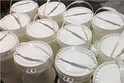
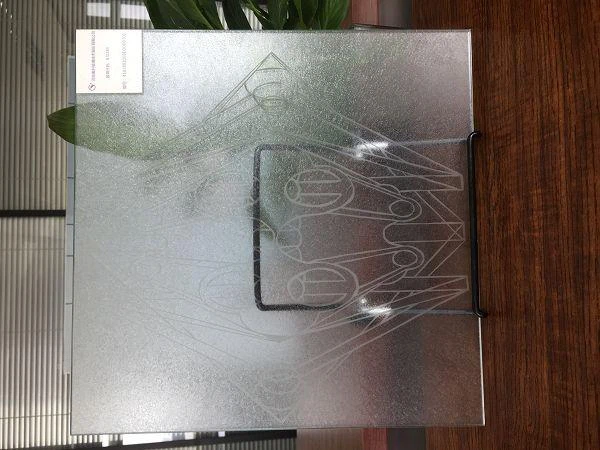
First off, let's quickly go over how acid etching for glass works. Acid etching is a technique used to create decorative patterns or a frosted appearance on glass surfaces. The process involves applying an acidic solution to the glass, which chemically reacts with the surface and etches it. This can be done using different types of acids, like hydrofluoric acid, which is one of the most commonly used for its effectiveness in etching glass.
You can find more detailed information about the acid chemical etching process on this page: Etching Glass by Acid Chemical. It gives you a good idea of the steps involved and the materials you need.
Environmental Impacts
Chemical Pollution
One of the biggest environmental concerns with acid etching is the use of hazardous chemicals. Hydrofluoric acid, for example, is extremely corrosive and toxic. If not handled properly, it can leak into the environment, contaminating soil and water sources. This can have a devastating impact on local ecosystems, killing plants and animals and making water unfit for human consumption.
When we use these chemicals in the etching process, there's always a risk of spills or improper disposal. Even small amounts of these acids can have a big impact on the environment. And it's not just the acid itself; the by - products of the etching reaction can also be harmful. For instance, when the acid reacts with the glass, it can produce various salts and other compounds that may be toxic.
Energy Consumption
Acid etching also requires a significant amount of energy. The process often involves heating the acid solutions to speed up the etching reaction. This means using a lot of electricity or gas, which contributes to greenhouse gas emissions. The more energy we use, the more we're adding to the global climate change problem.
Moreover, the manufacturing and transportation of the materials needed for acid etching, such as the acids and the glass itself, also consume energy. You can learn about the materials needed for glass etching here: Materials Needed for Glass Etching. The production of these materials often involves energy - intensive processes, and transporting them to our facilities adds to the carbon footprint.
Waste Generation
Another issue is waste generation. After the etching process, there's a lot of waste produced. This includes used acid solutions, which can't be reused in most cases and need to be disposed of properly. There are also waste glass pieces that are either damaged during the process or are the result of trimming the etched glass to the desired size.
Disposing of this waste can be a challenge. If not done correctly, it can end up in landfills, where the chemicals in the waste can leach into the soil and groundwater. And let's not forget about the packaging materials used for the acids and other etching supplies. These also contribute to the overall waste problem.
Mitigating the Environmental Impacts
Safer Chemical Alternatives
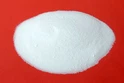
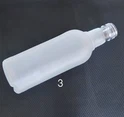
One way to reduce the environmental impact is to look for safer chemical alternatives. There are some less - toxic acids and other etching agents available on the market. For example, YK Glass Frosting Powder For Glass Bottles is a product that can be used as an alternative to traditional acid solutions. It's less hazardous and still provides a good etching effect.
By switching to these alternatives, we can minimize the risk of chemical pollution and make the etching process safer for both the environment and the workers handling the chemicals.
Energy - Efficient Practices
We can also implement energy - efficient practices in our operations. This could include using more energy - efficient heating systems for the acid solutions. For example, we can invest in high - efficiency heaters that use less energy to reach the desired temperature.
Another option is to optimize our production processes to reduce the overall energy consumption. This might involve streamlining the workflow so that we can etch more glass in less time, using less energy in the process.
Waste Management
Proper waste management is crucial. We need to have a system in place for collecting, treating, and disposing of the waste generated during the acid etching process. This could involve recycling the waste glass pieces. Many glass recycling facilities can take the waste glass and turn it into new glass products, reducing the need for raw materials.
For the used acid solutions, we can look into treatment methods that neutralize the acids and remove the harmful substances before disposal. This way, we can minimize the environmental impact of the waste.
Conclusion
As a supplier of acid etching for glass, I understand the importance of balancing the benefits of our products with the environmental impacts. While acid etching allows us to create beautiful and unique glass products, we also have a responsibility to protect the environment.
By using safer chemical alternatives, implementing energy - efficient practices, and proper waste management, we can significantly reduce the environmental footprint of the acid etching process.
If you're interested in our acid etching products or want to discuss how we're working to minimize the environmental impact, feel free to reach out. We're always happy to have a chat and see how we can meet your needs while also being environmentally responsible.
References
- General knowledge of the glass etching industry and environmental science.
- Information from product pages on Etching Glass by Acid Chemical, YK Glass Frosting Powder For Glass Bottles, and Materials Needed for Glass Etching.