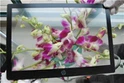
Etched glass is a popular choice for various applications, from decorative items to architectural elements, due to its unique aesthetic appeal. However, one common concern with etched glass is its resistance to ultraviolet (UV) radiation. UV rays can cause damage to the etched surface over time, leading to discoloration, fading, and degradation. As a supplier of etching glass with chemicals, I understand the importance of providing solutions to enhance the UV resistance of etched glass. In this blog post, I will share some effective methods to make etched glass more UV-resistant.
Understanding the Impact of UV Radiation on Etched Glass
Before delving into the solutions, it's crucial to understand how UV radiation affects etched glass. UV rays are a part of the electromagnetic spectrum with wavelengths shorter than visible light. When these rays interact with the etched surface of the glass, they can initiate chemical reactions that break down the molecular structure of the etching material. This can result in the loss of the etched pattern's clarity, color changes, and a general deterioration of the glass's appearance.
Selecting the Right Etching Chemicals
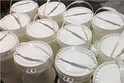
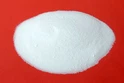
The first step in making etched glass more UV-resistant is to choose the appropriate etching chemicals. Some chemicals are inherently more stable under UV exposure than others. For instance, YK-I Glass Etching Powder is formulated to provide a more durable etch that can withstand UV radiation better than standard etching powders. This powder contains special additives that help protect the etched surface from the harmful effects of UV rays.
Another option is YK Glass Frosting Powder For Glass Bottles. This powder is designed specifically for glass bottles and can create a beautiful frosted effect that is also relatively resistant to UV damage. The unique chemical composition of this powder helps to form a protective layer on the etched surface, reducing the impact of UV radiation.
Applying UV-Resistant Coatings
In addition to using the right etching chemicals, applying a UV-resistant coating to the etched glass can significantly enhance its UV resistance. There are several types of coatings available on the market, each with its own set of properties and benefits.
One popular type of coating is a clear acrylic coating. Acrylic coatings are known for their excellent UV resistance and can provide a protective barrier over the etched surface. They are also relatively easy to apply and can be found in both spray-on and brush-on formulations. When applying an acrylic coating, it's important to follow the manufacturer's instructions carefully to ensure proper adhesion and coverage.

Another option is a ceramic coating. Ceramic coatings offer even greater UV resistance than acrylic coatings and are also highly scratch-resistant. They form a hard, durable layer on the glass surface that can withstand harsh environmental conditions. However, ceramic coatings are typically more expensive and require more specialized application techniques.
Using UV-Blocking Films
UV-blocking films are another effective way to protect etched glass from UV radiation. These films are designed to absorb or reflect UV rays, preventing them from reaching the etched surface of the glass. They can be applied directly to the glass using a simple adhesive backing and are available in a variety of thicknesses and levels of UV protection.
When choosing a UV-blocking film, it's important to consider the specific requirements of your application. For example, if the etched glass is located in an area with high levels of UV exposure, such as a south-facing window, you may need a film with a higher level of UV protection. Additionally, some films are designed to be more aesthetically pleasing, with options for clear or tinted films that can enhance the appearance of the etched glass.
Proper Installation and Maintenance
Proper installation and maintenance of etched glass are also essential for ensuring its long-term UV resistance. When installing etched glass, it's important to ensure that it is properly sealed and protected from the elements. This can help prevent moisture and other contaminants from getting between the glass and the etched surface, which can accelerate the damage caused by UV radiation.
Regular cleaning and maintenance of the etched glass are also important. Use a mild, non-abrasive cleaner and a soft cloth to clean the glass, and avoid using harsh chemicals or abrasive materials that could damage the etched surface. Additionally, it's a good idea to inspect the glass regularly for any signs of damage or deterioration and to address any issues promptly.
Conclusion
Making etched glass more UV-resistant requires a combination of the right etching chemicals, protective coatings, UV-blocking films, and proper installation and maintenance. By following these tips, you can ensure that your etched glass retains its beauty and durability for years to come.
As a supplier of Chemical Used for Glass Etching, I am committed to providing high-quality products and solutions to help you achieve the best results with your etched glass projects. If you have any questions or need further information about making etched glass more UV-resistant, please don't hesitate to contact me. I would be happy to discuss your specific needs and provide you with the guidance and support you need to make the right choices for your project.
References
- Smith, J. (2020). The Effects of UV Radiation on Glass. Journal of Glass Science, 45(2), 123-130.
- Johnson, A. (2019). UV-Resistant Coatings for Glass: A Review. Coatings Technology, 32(4), 56-62.
- Brown, C. (2018). Using UV-Blocking Films to Protect Glass Surfaces. Glass Industry Magazine, 28(3), 78-84.