Achieving a gradient effect with glass frosting chemicals is an art that combines science and creativity. As a supplier of glass frosting chemicals, I've witnessed firsthand the transformative power of these products and the endless possibilities they offer for glass decoration. In this blog post, I'll share some insights on how to achieve a gradient effect using glass frosting chemicals, along with some tips and tricks to help you get the best results.
Understanding Glass Frosting Chemicals
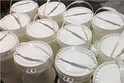
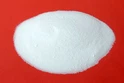
Before we dive into the process of creating a gradient effect, it's important to understand the basics of glass frosting chemicals. These chemicals work by etching the surface of the glass, creating a rough texture that diffuses light and gives the glass a frosted appearance. There are several types of glass frosting chemicals available on the market, including Ordinary Glass Frosting Powder, which is a popular choice for general glass frosting applications.
Preparing the Glass
The first step in achieving a gradient effect is to prepare the glass surface. Start by cleaning the glass thoroughly to remove any dirt, grease, or fingerprints. You can use a glass cleaner and a lint-free cloth to ensure a clean surface. Once the glass is clean, dry it completely before proceeding.
Creating the Mask
To create a gradient effect, you'll need to use a mask to control the application of the glass frosting chemical. You can use a variety of materials to create the mask, such as masking tape, stencils, or vinyl cutouts. The key is to create a mask that allows for a gradual transition from one level of frosting to another.
For example, if you want to create a gradient effect that goes from fully frosted to clear, you can start by applying a strip of masking tape along one edge of the glass. Then, gradually peel back the tape at an angle, creating a gradient edge. You can also use multiple layers of masking tape or stencils to create more complex gradient patterns.
Applying the Glass Frosting Chemical
Once the mask is in place, it's time to apply the glass frosting chemical. Follow the manufacturer's instructions carefully to ensure safe and effective use. Most glass frosting chemicals come in a powder form that needs to be mixed with water to create a paste.
Using a brush or a sponge, apply the glass frosting chemical to the exposed areas of the glass. Start at the fully frosted end of the gradient and work your way towards the clear end. Apply the chemical evenly, using a light touch to create a smooth and consistent finish.
Controlling the Gradient
To achieve a smooth gradient effect, it's important to control the application of the glass frosting chemical. You can do this by varying the pressure and thickness of the application. For a more gradual gradient, apply the chemical with a lighter touch and use less pressure. For a more dramatic gradient, apply the chemical with more pressure and use a thicker layer.
You can also control the gradient by adjusting the timing of the application. Leave the chemical on the glass for different lengths of time in different areas to create a variation in the level of frosting. Just be sure to follow the manufacturer's instructions for the recommended application time to avoid over-etching the glass.
Removing the Mask and Cleaning the Glass
Once the glass frosting chemical has had enough time to work, carefully remove the mask. Use a sharp blade or a pair of scissors to cut along the edges of the mask and peel it off slowly. Be careful not to smudge or damage the frosted areas.
After removing the mask, rinse the glass thoroughly with water to remove any remaining chemical residue. Use a clean cloth to dry the glass and admire your gradient effect.
Tips and Tricks
- Test on a small area first: Before applying the glass frosting chemical to a large piece of glass, it's a good idea to test it on a small, inconspicuous area first. This will allow you to see the results and make any necessary adjustments before committing to the full application.
- Use a ventilation area: Glass frosting chemicals can produce fumes, so it's important to work in a well-ventilated area. Open windows or use a fan to ensure proper air circulation.
- Wear protective gear: When working with glass frosting chemicals, it's important to wear protective gear, such as gloves and goggles, to protect your skin and eyes from the chemical.
- Experiment with different techniques: Don't be afraid to experiment with different masking techniques and application methods to create unique and interesting gradient effects. You can also try combining different glass frosting chemicals or adding other decorative elements to enhance the effect.
Applications of Gradient Frosted Glass
Gradient frosted glass can be used in a variety of applications, including:


- Interior Design: Gradient frosted glass can be used to create partitions, room dividers, or decorative panels in residential and commercial spaces. It adds a touch of elegance and privacy while allowing light to pass through.
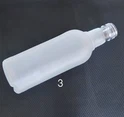
- Glassware and Bottles: Satin Effect On Glass Cosmetic Bottle and Oil-sand Effect On The Flat Glass can be enhanced with a gradient frosting effect. It can make the products more visually appealing and add a premium look.
- Art and Crafts: Gradient frosted glass is a popular choice for artists and crafters who want to create unique and personalized pieces. It can be used in stained glass projects, glass paintings, or other decorative art forms.
Conclusion
Achieving a gradient effect with glass frosting chemicals is a rewarding process that allows you to create beautiful and unique glass decorations. By following the steps outlined in this blog post and using the right techniques, you can achieve professional-looking results.
As a supplier of glass frosting chemicals, I'm here to support you in your glass frosting projects. If you have any questions or need further assistance, please don't hesitate to contact me. I'm happy to provide you with more information about our products and help you find the right solution for your needs. Whether you're a professional designer, an artist, or a DIY enthusiast, I'm confident that our glass frosting chemicals will help you achieve the perfect gradient effect.
References
- Manufacturer's instructions for glass frosting chemicals
- Industry best practices for glass frosting and decoration