Etching glass to create detailed patterns is an art form that combines creativity with technical know - how. As a supplier of Etching Powder For Glass, I've witnessed firsthand the transformation that detailed etched patterns can bring to glass products. In this blog, I'll share some professional insights on how to make the etched pattern more detailed with etching powder for glass.
Understanding the Basics of Glass Etching with Etching Powder
Before delving into the techniques for achieving detailed patterns, it's crucial to understand the fundamental process of glass etching using etching powder. Glass etching powder works by chemically reacting with the surface of the glass, removing a thin layer of the glass material to create a frosted or textured effect. This reaction is based on the chemical properties of the components in the etching powder, which typically include substances like hydrofluoric acid salts or other strong acids in a powdered form.
The process generally involves several steps: cleaning the glass surface thoroughly to ensure there are no contaminants that could interfere with the etching process; applying a resist material to the areas of the glass that you don't want to etch; mixing the etching powder with water to form a paste or solution; and then applying the mixture to the exposed glass surface for a specific period.

Selecting the Right Etching Powder
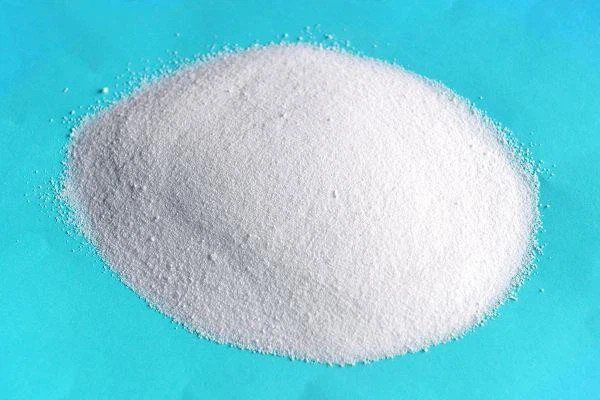
The quality and type of etching powder you choose play a significant role in the level of detail you can achieve. Our Glass Etching Powder (water - based) is formulated to provide a consistent and controlled etching effect. Water - based etching powders are often preferred because they are easier to handle, less hazardous compared to some traditional etching chemicals, and can offer a more uniform etch.
When selecting an etching powder, consider the following factors:
- Etching Rate: A slower etching rate can give you more control over the process, allowing you to create finer details. Faster - acting powders may be suitable for larger, less detailed areas but can be more difficult to manage when precision is required.
- Particle Size: Finer particles in the etching powder can result in a smoother and more detailed etch. Coarser particles may create a more textured or uneven effect, which might not be ideal for highly detailed patterns.
Preparing the Glass Surface
Proper preparation of the glass surface is essential for achieving detailed etched patterns. Any dirt, grease, or fingerprints on the glass can prevent the etching powder from adhering evenly or reacting uniformly with the glass.
- Cleaning: Start by washing the glass with a mild detergent and warm water. Use a soft cloth or sponge to avoid scratching the surface. Rinse the glass thoroughly and dry it with a lint - free cloth.
- Sanding (Optional): For some applications, lightly sanding the glass surface can help the etching powder adhere better. Use a fine - grit sandpaper (e.g., 600 - 800 grit) and sand the area to be etched in a circular motion. After sanding, clean the glass again to remove any dust particles.
Creating a High - Quality Resist
The resist is the material that protects the areas of the glass that you don't want to etch. A well - made resist is crucial for creating detailed patterns.
- Types of Resists: There are several types of resists available, including vinyl stencils, liquid resists, and photo - sensitive resists. Vinyl stencils are easy to use and can be cut using a vinyl cutter, allowing for precise shapes and details. Liquid resists can be painted or sprayed onto the glass and offer more flexibility in creating custom designs. Photo - sensitive resists are ideal for creating highly detailed and complex patterns, as they can be exposed to light through a negative image to create a resist pattern.
- Applying the Resist: When applying the resist, make sure it adheres firmly to the glass surface. For vinyl stencils, use a squeegee or a credit card to smooth out any air bubbles and ensure full contact. For liquid resists, apply them in thin, even coats and allow them to dry completely according to the manufacturer's instructions.
Mixing and Applying the Etching Powder
The way you mix and apply the etching powder can significantly impact the detail of the etched pattern.
- Mixing: Follow the manufacturer's instructions carefully when mixing the etching powder with water. The ratio of powder to water can affect the consistency and etching strength of the mixture. A thicker paste may be better for creating more defined edges, while a thinner solution may be suitable for more delicate or gradient effects.
- Applying: Use a brush, sponge, or spray gun to apply the etching powder mixture to the exposed glass surface. When using a brush, choose a fine - tipped brush for detailed work. Apply the mixture evenly and avoid leaving any puddles or drips, as these can cause uneven etching.
Controlling the Etching Time
Etching time is a critical factor in achieving detailed patterns. Over - etching can cause the pattern to become blurred or lose its definition, while under - etching may result in a faint or incomplete pattern.
- Testing: Before applying the etching powder to the final piece, it's a good idea to test the etching time on a scrap piece of glass with the same type of resist and etching powder mixture. This will help you determine the optimal etching time for the desired level of detail.
- Monitoring: During the etching process, closely monitor the progress of the etching. Check the glass periodically to see if the pattern has reached the desired level of detail. You can use a magnifying glass to inspect the pattern more closely.
Post - Etching Treatment
After the etching process is complete, proper post - etching treatment can enhance the appearance and durability of the etched pattern.
- Rinsing: Immediately rinse the glass with plenty of water to remove any remaining etching powder. Use a gentle stream of water and a soft cloth to ensure all the powder is removed.
- Neutralizing: If the etching powder contains acidic components, it's important to neutralize the glass surface to prevent further etching or damage. You can use a solution of baking soda and water to neutralize the acid. Soak the glass in the neutralizing solution for a few minutes, then rinse it again with clean water.
- Polishing (Optional): For a smoother and more refined finish, you can polish the etched glass using a fine - grit polishing compound. This can help remove any rough edges or unevenness in the etched pattern.
Advanced Techniques for Detailed Etching
In addition to the basic steps, there are some advanced techniques that can be used to create even more detailed and intricate patterns.
- Layering: You can create multi - layer patterns by applying multiple layers of resist and etching powder. This allows you to build up different levels of detail and create a more complex and three - dimensional effect.
- Combining with Other Processes: Etching can be combined with other glass - working techniques, such as sandblasting or engraving, to create unique and detailed patterns. For example, you can use sandblasting to create a base texture and then use etching powder to add fine details on top.
Safety Considerations
Working with etching powder for glass involves handling chemicals, so safety should always be a top priority.
- Protective Gear: Wear appropriate protective gear, including gloves, goggles, and a respirator, when handling etching powder and its solutions.
- Ventilation: Work in a well - ventilated area to avoid inhaling any fumes or dust generated during the etching process.
- Proper Storage: Store the etching powder in a cool, dry place and keep it out of reach of children and pets.
As a supplier of high - quality Etching Powder For Glass, we are committed to providing you with the best products and technical support to help you achieve the most detailed and beautiful etched patterns. If you are interested in purchasing our etching powder or have any questions about the glass etching process, please feel free to contact us for further discussion and negotiation. We look forward to working with you to bring your glass etching projects to life.
References
- "Glass Etching: Techniques and Designs" by an industry - recognized author.
- Manufacturer's instructions for the specific etching powder products.
- Research papers on Glass Surface Chemical Etching and Chemical Used for Glass Etching.