Hey there! As a supplier of chemical etching of glass, I've seen firsthand the diverse uses of glass etching, from creating stunning decorative pieces to engineering functional glass components. Today, I wanna dive into the differences in chemical etching of glass for these two main types of applications: decorative and functional.
Decorative Glass Etching
The Aesthetic Game
When it comes to decorative glass etching, the name of the game is aesthetics. You're looking to add a touch of uniqueness, beauty, or privacy to glass. It's all about making a statement, whether it's in a home, a commercial space, or as a standalone art piece.
One of the most common techniques in decorative etching is to create patterns. You can use stencils, which are basically cut - out shapes or designs that you stick onto the glass. The chemical etching process then only affects the exposed areas of the glass, leaving behind the desired pattern. This is super popular for things like glass doors, windows in a fancy restaurant, or custom - made glass vases.
The Tools of the Trade
For decorative purposes, we often reach for Glass Etching Powder. This stuff is amazing! It's easy to work with, and you can control the intensity of the etch depending on how long you let it sit on the glass and how thickly you apply it. You can also mix it with water to get the right consistency for your project.
Another great option is YK Glass Frosting Powder For Glass Bottles. This is perfect if you're working on glass bottles for a special event or as part of a home decor project. It gives the glass a soft, frosted look that's really elegant.
The Finishing Touches
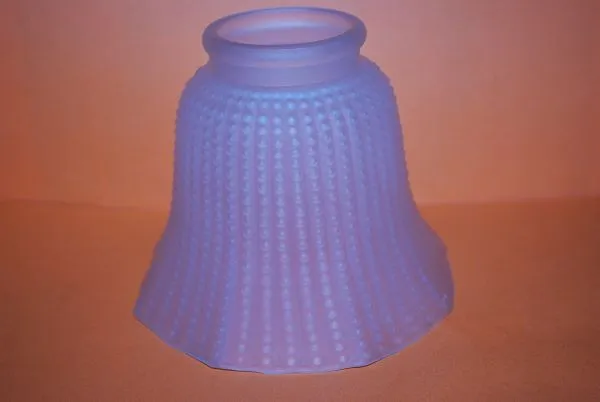
In decorative etching, the finish is crucial. You can go for a rough, textured finish that gives the glass a rustic look. Or, if you prefer a smoother finish, you can adjust the etching process slightly. Some decorative etchings also include adding color. You can use special glass paints or dyes after the etching process to make the patterns pop even more.
Functional Glass Etching
All About Performance
Functional glass etching is a whole different ballgame. Here, the focus is on improving the glass's performance in some way. It could be enhancing its optical properties, making it more resistant to scratches, or improving its adhesion to other materials.
Take display screens, for example. In the electronics industry, glass used in displays often undergoes etching to improve its anti - glare properties. Chemical etching can create a micro - textured surface on the glass that scatters light, reducing reflections and making the screen easier to read in different lighting conditions.

Precision is Key
For functional applications, precision is of the essence. The etching process needs to be carefully controlled to achieve the exact properties required. This often involves using more advanced techniques and equipment compared to decorative etching.
The chemicals used in functional glass etching are also quite specific. Chemical Used for Glass Etching play a critical role here. The choice of chemical depends on the type of glass and the desired outcome. For example, some chemicals are better at creating a very fine etch for optical applications, while others are more effective at removing large amounts of glass material in a controlled way.
Testing and Quality Control
Since functional glass is often used in important applications like medical devices or automotive components, rigorous testing and quality control are a must. The etched glass needs to meet strict standards for things like strength, optical clarity, and chemical resistance.
Key Differences
Purpose
The most obvious difference between decorative and functional glass etching is the purpose. Decorative etching is all about style and visual appeal, while functional etching is about improving the glass's performance attributes.
Process Complexity
Functional glass etching is generally more complex. It requires a higher level of precision and control to achieve the specific functional properties. Decorative etching, on the other hand, offers more room for creativity and experimentation, and the process can be relatively forgiving.
Chemical Selection
As mentioned earlier, the choice of chemicals differs. In decorative etching, the focus is often on achieving a certain aesthetic effect, so the chemicals are chosen for their ability to create different textures and finishes. In functional etching, chemicals are selected based on their ability to modify the glass's physical and chemical properties.
Production Volume
Functional glass etching is often associated with higher - volume production. For example, in the manufacturing of smartphones or tablets, large quantities of glass need to be etched to exact specifications. Decorative glass etching, on the contrary, can be done on a smaller scale, whether it's for a single custom - made piece or a limited - run production.
Working with Us
Whether you're looking for decorative glass etching solutions to add a unique touch to your products or need functional glass etching for high - performance applications, we've got you covered. Our team of experts has years of experience in the field of glass etching, and we use only the highest - quality materials and techniques.
We understand that every project is different, so we offer customized solutions tailored to your specific needs. From small - scale decorative projects to large - volume functional glass production, we're committed to delivering top - notch results.
If you're interested in discussing your glass etching requirements, don't hesitate to reach out. We're here to answer all your questions and help you find the best solution for your project.
References
- Fischer, A. "Modern Glass Etching Techniques." Glass Industry Journal, 2020.
- Smith, B. "The Science of Glass Modification through Chemical Etching." Materials Research Quarterly, 2019.
- Johnson, C. "Decorative Arts and Glass Etching." Art and Design Review, 2018.