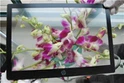
Hey there! As a supplier of etching powder for glass, I often get asked about the difference between etching powder for glass and liquid glass etchant. So, I thought I'd write this blog post to clear things up and help you understand which option might be best for your glass - etching needs.
What are They?
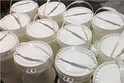
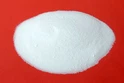
Let's start with a quick intro. Etching powder for glass is a dry, granular substance. When you mix it with water or other appropriate solvents, it forms a solution that can etch glass. On the other hand, liquid glass etchant comes ready - to - use. It's already in a liquid state, so you don't have to go through the mixing process.
Chemical Composition
The chemical composition of both products is quite similar in that they usually contain substances like hydrofluoric acid or its derivatives. These chemicals are highly effective at breaking down the silica in glass, which is what causes the etching effect.
However, the concentration and the way these chemicals are formulated can vary. Etching powder often has a higher concentration of the active ingredients in its dry form. When you mix it, you can control the strength of the solution according to your needs. For example, if you're doing a light etch on a small piece of glass, you can use a lower concentration.
Liquid glass etchant, though, has a pre - determined concentration. This can be good if you want a consistent result every time and don't want to mess around with mixing. But if you need a very specific strength that isn't available in the pre - made liquid, you're out of luck.
Ease of Use
One of the biggest differences between the two is the ease of use. Liquid glass etchant is super convenient. You just open the bottle and start using it. There's no measuring, no mixing, and no cleanup of mixing equipment. It's great for small - scale projects or for people who are new to glass etching.
Etching powder, however, requires a bit more work. You need to measure out the right amount of powder and mix it with the correct amount of solvent. This can be a bit tricky, especially if you're not used to it. But once you get the hang of it, it gives you more control over the process. And if you're doing large - scale glass etching, it can be more cost - effective because you can make larger batches as needed.
Safety
Safety is a major concern when working with glass etchants. Both etching powder and liquid glass etchant are hazardous materials, mainly because of the presence of hydrofluoric acid. But they present different safety challenges.
With etching powder, the dry form can create dust if not handled properly. Inhaling this dust can be extremely dangerous. So, you need to wear a good quality dust mask and work in a well - ventilated area when handling the powder.
Liquid glass etchant, being a liquid, can splash. If it gets on your skin or in your eyes, it can cause serious burns. You need to wear appropriate protective gear like gloves and goggles at all times.
Cost
Cost is another factor to consider. Generally, etching powder is more cost - effective, especially for large - scale projects. You can buy a large quantity of powder at a relatively low price and make multiple batches of the etching solution.
Liquid glass etchant, on the other hand, is more expensive per unit volume. But if you're only doing small projects occasionally, the convenience might be worth the extra cost.

Application and Results
The application of the two products can also vary. Liquid glass etchant is often easier to apply evenly, especially on small or intricate glass pieces. You can use a brush or a spray bottle to apply it precisely where you want the etching to occur.
Etching powder, once mixed, can be used in similar ways, but it might be a bit more difficult to control the flow and spread. However, it can sometimes create a more textured or frosted look, which can be desirable for certain types of glass decoration.
Where to Learn More
If you're interested in learning more about glass etching, I recommend checking out these links: Chemical Etching for Glass and Chemical Etching Materials For Glass Decoration. And if you're specifically interested in our AG GALSS ETCING POWDER FOR ACID ETCHING GLASS PRODUCTION, you can click here.
Conclusion
So, in conclusion, both etching powder for glass and liquid glass etchant have their pros and cons. If you're looking for convenience, consistency, and are working on small projects, liquid glass etchant might be the way to go. But if you want more control, cost - effectiveness, and are doing larger - scale or more complex projects, etching powder could be your best bet.
If you're thinking about purchasing glass etching materials, I'd love to have a chat with you. Whether you're interested in our etching powder or have questions about the differences between the two products, don't hesitate to reach out. I'm here to help you make the right choice for your glass - etching needs.
References
- Glass Etching Handbook: A Guide to Chemical and Physical Etching Methods
- Journal of Glass Science and Technology: Studies on Glass Etching Processes