When it comes to chemical etching for glass, selecting the right stabilizer is a crucial step that can significantly impact the quality and efficiency of the process. As a seasoned supplier in the field of chemical etching for glass, I've witnessed firsthand the transformative power of choosing the appropriate stabilizer. In this blog post, I'll share some insights on how to make this important decision.
Understanding the Role of Stabilizers in Glass Chemical Etching
Before delving into the selection process, it's essential to understand what stabilizers do in the glass chemical etching process. Stabilizers are additives that help control the rate of the etching reaction. They prevent the etching solution from reacting too quickly or unevenly, which can lead to inconsistent results, such as rough surfaces or incomplete etching. By maintaining a stable reaction rate, stabilizers ensure a more precise and uniform etching process, resulting in high - quality glass products.
Factors to Consider When Choosing a Stabilizer
Compatibility with Etching Powders
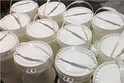
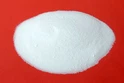
One of the primary factors to consider is the compatibility of the stabilizer with the etching powder you're using. Different types of etching powders have different chemical compositions, and not all stabilizers will work well with every powder. For example, Glass Etching Powder (water - based) has unique properties compared to Ordinary Glass Etching Powder. You need to ensure that the stabilizer you choose can interact effectively with the specific etching powder to achieve the desired etching results.
It's advisable to consult the technical specifications provided by the etching powder manufacturer. They often include information on recommended stabilizers or at least the chemical properties that a compatible stabilizer should have. Conducting small - scale tests with different combinations of stabilizers and etching powders can also help you determine the best match.


Reaction Rate Control
The ability of a stabilizer to control the reaction rate is a key consideration. Depending on the complexity of the etching design and the type of glass, you may need a stabilizer that allows for a slow and controlled reaction or one that can speed up the process slightly without sacrificing quality.
For intricate designs that require high precision, a stabilizer that slows down the reaction rate is often preferred. This gives you more time to control the etching process and ensures that fine details are accurately reproduced. On the other hand, for large - scale production where efficiency is crucial, a stabilizer that can maintain a relatively fast but still stable reaction rate may be more suitable.
Environmental Impact
In today's environmentally conscious world, the environmental impact of the stabilizer is an important factor. Some stabilizers may contain chemicals that are harmful to the environment or pose health risks to workers. When choosing a stabilizer, look for products that are eco - friendly and comply with relevant environmental regulations.
Water - based stabilizers are generally a good choice as they tend to be less toxic and more biodegradable compared to solvent - based alternatives. Additionally, they can reduce the risk of air pollution during the etching process.
Cost - effectiveness
Cost is always a consideration in any business decision. While it's important not to compromise on quality, you also want to find a stabilizer that offers good value for money. Compare the prices of different stabilizers on the market, taking into account their performance and the amount required for the etching process.
Sometimes, a slightly more expensive stabilizer may actually be more cost - effective in the long run if it results in higher yields, less waste, and better - quality products. Consider the overall cost of using a stabilizer, including any additional costs associated with handling, storage, and disposal.
Types of Stabilizers and Their Applications
Organic Stabilizers
Organic stabilizers are often used in glass chemical etching due to their relatively low toxicity and good compatibility with many etching powders. They can effectively control the reaction rate by forming a protective layer on the glass surface, which slows down the interaction between the etching solution and the glass.
These stabilizers are suitable for a wide range of applications, from decorative glass etching to industrial glass processing. For example, in the production of high - end glassware with intricate patterns, organic stabilizers can help achieve a smooth and precise etching effect.
Inorganic Stabilizers
Inorganic stabilizers, such as certain metal salts, are known for their high stability and strong reaction - controlling ability. They are often used in more demanding etching processes where a high degree of control is required.
Inorganic stabilizers can withstand high temperatures and harsh chemical environments, making them ideal for industrial applications where large - scale and high - precision etching is needed. However, they may be more toxic than organic stabilizers, so proper safety measures need to be taken during handling.
Testing and Quality Assurance
Once you've selected a potential stabilizer, it's crucial to conduct thorough testing before full - scale production. This includes testing the stabilizer with different types of glass, at various temperatures, and with different concentrations of the etching solution.
Perform small - scale etching tests to evaluate the quality of the etching results. Check for factors such as uniformity of the etched surface, the clarity of the design, and the absence of any unwanted side effects, such as pitting or staining. If possible, use advanced measurement techniques, such as profilometry or microscopy, to analyze the etched surface in detail.
Quality assurance should also involve monitoring the performance of the stabilizer over time. The effectiveness of a stabilizer may change with factors such as storage conditions and the age of the product. Regularly test samples from ongoing production to ensure that the etching quality remains consistent.
Conclusion
Choosing the right stabilizer for chemical etching for glass is a multi - faceted decision that requires careful consideration of several factors. By understanding the role of stabilizers, evaluating their compatibility, reaction - control ability, environmental impact, and cost - effectiveness, you can make an informed choice that will enhance the quality and efficiency of your glass etching process.
As a supplier of Glass Etching Powder and related products, we are committed to providing you with the highest - quality materials and technical support. If you're interested in learning more about our products or need assistance in choosing the right stabilizer for your specific needs, we encourage you to reach out to us for a procurement discussion. We look forward to helping you achieve outstanding results in your glass etching projects.
References
- Chemical Engineering Handbook for Glass Processing
- Journal of Glass Science and Technology
- Research Papers on Glass Etching Techniques and Additives